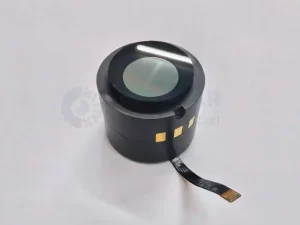
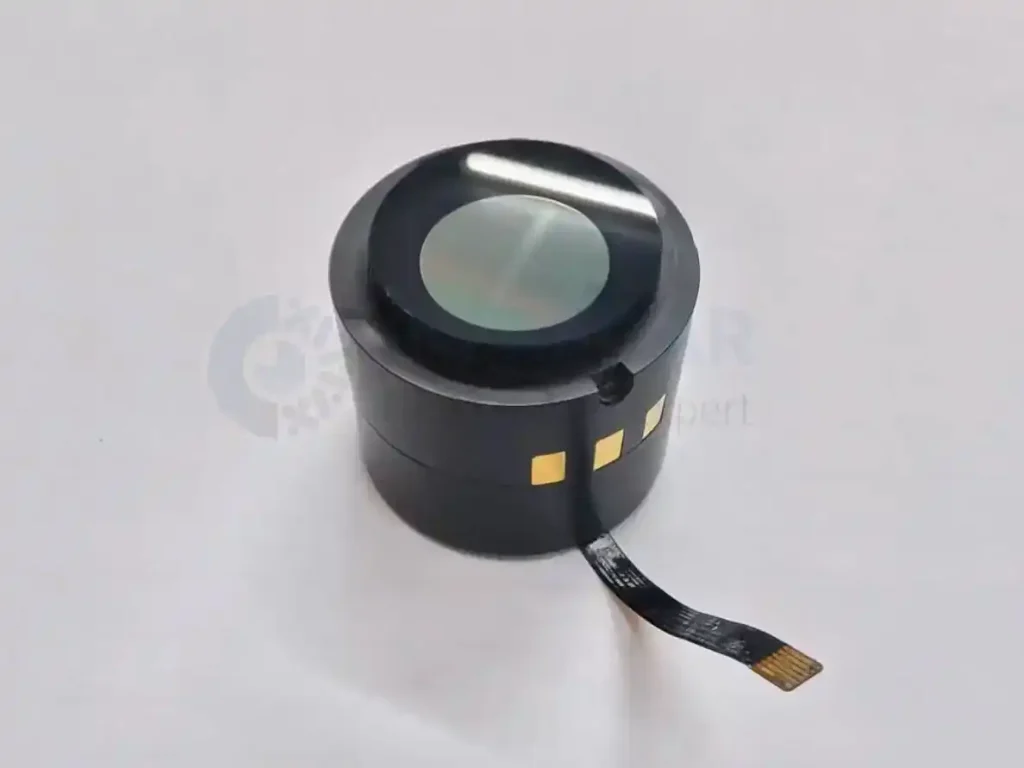
In the image intensifier tube (IIT) industry, nomenclature such as “16mm,” “18mm,” and “25mm” strictly defines the photocathode’s active diameter—the effective imaging area at the tube’s input. This fundamental physical specification dictates not only the tube’s footprint and mass but also the optical lens architecture required to mate with it. Much like camera sensor formats (full-frame, APS-C, medium format), different photocathode sizes demand distinct optical ecosystems. As IIT technology has matured, advancements in photocathode quantum efficiency and MCP gain have effectively neutralized the theoretical light-gathering disadvantages of smaller formats. For individual operators, the resulting weight and size reductions offer immediate, tangible tactical advantages.
The Tactical Edge of the 16mm IIT Format
For OEM integrators and procurement teams, the 16mm format delivers measurable operational benefits over the mainstream 18mm standard:
1. Substantial Size and Weight ReductionThe compact 16mm form factor directly translates to lighter, more streamlined end-user devices. Where a standard 18mm IIT typically weighs approximately 80g, the new 16mm tube comes in at under 50g. This represents a 37.5% weight reduction at the core component level. In practical applications, this allows single-tube monoculars to drop below the 200g threshold, while dual-tube systems can comfortably remain under 400g. This is a critical advantage for helmet-mounted systems, UAV payloads, and extended-duration reconnaissance missions where neck fatigue is a primary concern.
2. Optimized Power ConsumptionA smaller photocathode area inherently reduces the electrical load on the high-voltage power supply module. This lowers the overall system power draw, directly extending battery life—a decisive factor for battery-dependent portable optics.
3. Expanded Design Envelope for OEMsThe reduced tube diameter unlocks significant structural design freedom. It enables the development of ultra-compact housings, miniature monoculars, and integration into optically constrained platforms that simply cannot accommodate an 18mm tube, thereby broadening the viable product portfolio for OEM customers.
Why NNVT’s 16mm IIT Deserves Industry Attention
NNVT (North Night Vision Technology) has leveraged its position as a leading IIT manufacturer to introduce a 16mm tube that inherits the proven photocathode process heritage of the NVT-7 series. By adapting these validated technologies to a compact format, NNVT delivers near-mainstream 18mm performance in a significantly smaller package.
1. Proven Process Lineage, Not Experimental TechThis 16mm tube is not a greenfield development. It adapts NNVT’s already market-validated photocathode and MCP technologies to a smaller form factor. This ensures yield consistency, predictable quality, and reliable supply chain maturity from day one.
2. ITAR-Free Global AccessibilityLike the rest of NNVT’s portfolio, the 16mm IIT is completely free from U.S. ITAR export controls. This provides international distributors and OEM integrators with a frictionless procurement pathway, eliminating licensing delays and approval risks.
3. Filling a Critical Market GapWhile 18mm ITAR-free tubes are widely available, high-quality miniaturized, low-power IITs remain scarce. Currently, Photonis is the only other supplier of a comparable 16mm product, and their capacity is fully allocated to military contracts. NNVT’s 16mm IIT is positioned to become a vital, accessible supply source for developers of next-generation miniaturized night vision systems.
Sample Procurement Now Open
NNVT’s next-generation 16mm IIT is now available for limited sample procurement. Distributors, OEMs, and system integrators are invited to request technical specifications, FOM grade options, and volume pricing.
For product details or to request a sample unit, please contact:Email: